How Foreign Policy Affects Global Stability
Diplomatic strategies shape global stability, yet unilateral actions may provoke unforeseen tensions—what balance will define our international future? Discover the intricate dynamics at play.
Foreign policy impacts global stability. It shapes how nations interact and respond to shared challenges. Diplomatic engagements can mitigate conflict. Trade agreements foster economic ties. Unilateral actions, however, often escalate tensions. This raises questions about the effectiveness of certain strategies.
The balance between cooperation and competition in international relations is crucial. This balance influences the future of global harmony.
The Role of Foreign Policy in Global Stability
Many might overlook the significance of foreign policy. It plays a key role in fostering global stability. Nations interact on various levels. The decisions made by one government can ripple across borders and affect countless lives.
Effective foreign policy promotes peace, encourages trade, and prevents conflicts. When countries understand each other’s perspectives, they can address pressing global issues, from climate change to terrorism.
Prioritizing diplomacy and collaboration allows nations to create environments where mutual respect and understanding thrive. Your voice and actions can influence these policies, fostering a sense of belonging in a complex world.
Informed citizens can advocate for strategies that enhance stability and security for all.
How Diplomacy Shapes International Relations
Diplomacy influences international relations by establishing channels for communication and negotiation. Effective diplomacy fosters trust. This allows countries to collaborate on shared challenges like security and climate change.
It involves not just formal treaties but also informal dialogues and cultural exchanges. Diplomatic efforts can de-escalate tensions and prevent conflicts before they arise.
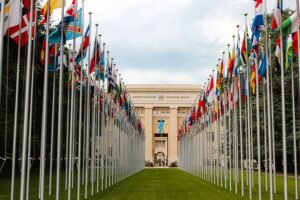
Diplomacy provides a platform for marginalized voices in global discussions. This promotes inclusivity. By engaging in open dialogue, nations can better understand each other’s perspectives and interests.
The strength of these diplomatic relationships can significantly shape global stability and encourage cooperation.
Trade Agreements: Building Bridges or Barriers?
Trade agreements can be double-edged swords. They shape international relations in complex ways. On one hand, they foster economic interdependence. This encourages nations to collaborate and build trust. Countries engaged in trade often find common ground. This can lead to diplomatic dialogue.
On the other hand, these agreements create barriers. They can cause resentment among nations left out or disadvantaged. Some agreements prioritize certain industries. This incites protectionist sentiments. Countries may retaliate with tariffs or sanctions.
Trade agreements can bridge gaps, but they also risk deepening divides. Balancing these effects is important for promoting global stability.
Are Military Interventions Worth the Risk?
Military interventions often spark intense debate over their effectiveness and moral implications. The potential gains must be weighed against the risks involved. Interventions can lead to short-term stability or humanitarian relief.
However, they often produce unintended consequences. Civilian casualties, regional instability, and resentment toward foreign powers can create lasting animosity. The financial costs can divert resources from pressing domestic issues.
There are instances where timely interventions have prevented genocides or quelled violent conflicts. Weighing these factors requires careful analysis of each situation.
Consider not just immediate outcomes but also the long-term implications for both the intervening nation and the affected region.
How Alliances Affect Global Security
Alliances shape global security dynamics. They act as deterrents against aggression and foster cooperation among nations.
When countries band together, they create a collective security framework. This framework discourages potential aggressors.
NATO maintains stability in Europe by ensuring that an attack on one member is seen as an attack on all. This solidarity boosts military readiness. It also enhances diplomatic dialogue, allowing nations to address conflicts before they escalate.
Alliances can share intelligence and resources. This sharing strengthens the overall security architecture.
Foreign Policy and Soft Power: Influence Without Force
Many nations rely on military might to assert influence. Soft power offers a compelling alternative. It shapes global interactions through cultural, diplomatic, and economic means. By promoting values like democracy, human rights, and environmental stewardship, countries can foster goodwill. This approach enhances a nation’s image and encourages cooperation on pressing global issues.
Cultural exchanges, educational programs, and international aid initiatives unite people across borders. They create a sense of belonging and shared purpose.
Soft power emphasizes the importance of trust and mutual respect. Influence can be wielded through connection rather than coercion. This strategy may be key for fostering stability and peace.
Case Studies of Successful and Failed Foreign Policies
The Marshall Plan is widely regarded as a success. It helped rebuild Europe after World War II and fostered long-term stability.
In contrast, the U.S. invasion of Iraq in 2003 illustrates a failed approach. This invasion led to prolonged conflict and regional instability.
These examples show that well-intentioned strategies can promote peace and cooperation. Misguided actions can exacerbate tensions.
The effectiveness of foreign policy often hinges on understanding local contexts and engaging with international partners. Recognizing these nuances helps appreciate the delicate balance that foreign policy must maintain for global stability.
Economic Sanctions as a Tool of Foreign Policy
Economic sanctions serve as a tool in foreign policy. Nations use them to influence the behavior of others without military action. By imposing economic restrictions, countries signal disapproval and encourage compliance with international norms.
However, sanctions aren’t a one-size-fits-all solution. Their effectiveness often depends on the targeted nation’s resilience and the global economic landscape. Some sanctions can lead to significant changes. Others may entrench defiance and worsen humanitarian crises.
Understanding this dynamic helps appreciate the balance policymakers must strike. The goal is to promote stability and encourage positive change, but the path is complex and requires careful consideration.
How Domestic Politics Shape Foreign Policy Decisions
Domestic politics significantly influence foreign policy decisions. Leaders often respond to international challenges based on public opinion.
When nationalism or isolationism rises, leaders align their policies to gain domestic approval. Political parties play a role in shaping these decisions. A party in power might favor military intervention, while the opposition may advocate for diplomacy.
Interest groups and lobbyists complicate this landscape, pushing for policies that serve specific interests. Understanding these domestic pressures reveals the complexities of foreign policy.
Future Trends in Global Stability and Foreign Policy
As global dynamics evolve, understanding future trends in stability and foreign policy becomes important for an interconnected world.
The rise of multipolarity shifts power from unipolar U.S. dominance to a more balanced distribution among nations. This shift encourages collaboration but also heightens competition and potential conflicts.
Climate change and technological advancements will influence foreign policy. Nations must grapple with shared challenges that require collective action.
Public sentiment and grassroots movements will shape diplomatic strategies. Leaders will be held more accountable to their citizens.