What Is Foreign Policy? A Simple Guide to How Nations Deal With the World
How do nations shape their foreign policy to navigate global challenges? Discover the key factors influencing their decisions and the impact on everyday life.
Foreign policy involves a mix of strategies aimed at protecting national interests while addressing international challenges. Factors shape these decisions. Countries face an intricate web of diplomacy and trade. Exploring these elements reveals the motivations behind policies and the broader implications for global stability. What drives these choices? How do they impact everyday life?
Key Elements That Shape Foreign Policy Decisions
National interests guide actions based on security, economic prosperity, and cultural values.
International relations also play a role. Alliances and diplomatic ties can bolster or hinder a nation’s stance.
Public opinion matters. Leaders gauge citizens’ sentiments to maintain support for their policies.
Historical context shapes decisions. Past events inform current strategies.
Economic conditions, both domestically and globally, affect a country’s ability to act.
Understanding these elements provides insights into how nations engage in complex global landscapes.
How Do Countries Formulate Their Foreign Policy?
Nations employ a systematic approach to formulate their foreign policy, integrating various factors that influence their decisions. They assess their national interests, including security, economic stability, and cultural identity.
Engaging with political leaders, diplomats, and scholars, they gather diverse perspectives to understand global dynamics. Countries analyze historical relationships and current events. They weigh the potential impacts of their choices.
Public opinion can significantly influence leaders, who consider how policies resonate with citizens. Nations strive for a cohesive strategy that reflects their values and goals while addressing the complexities of international relations.
This careful formulation process helps ensure that their foreign policy aligns with both immediate needs and long-term aspirations.
The Impact of International Organizations on Foreign Policy
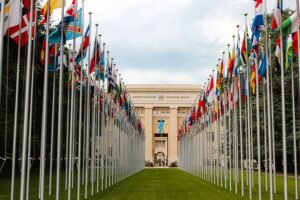
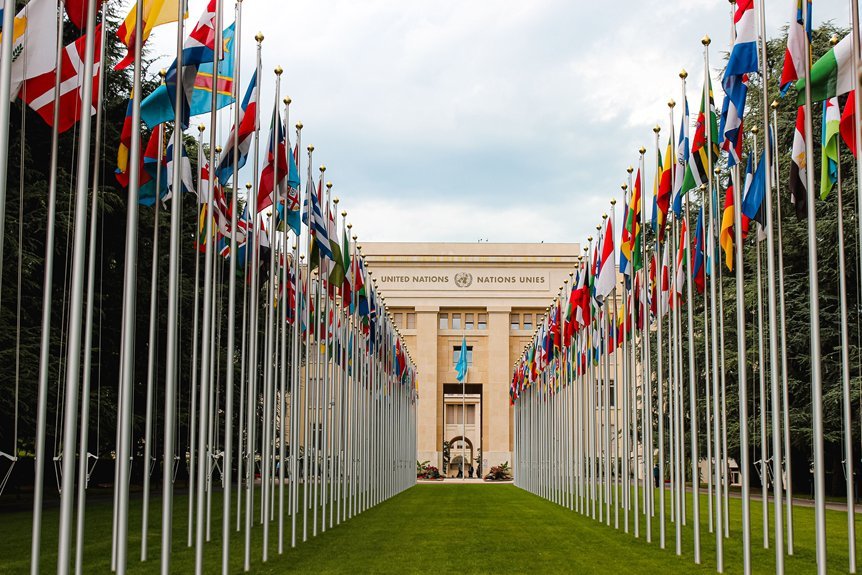
International organizations shape foreign policy by providing platforms for cooperation, dialogue, and collective action. Entities like the United Nations and NATO facilitate discussions that help nations align their interests and values.
By participating, countries can address global challenges such as climate change and security threats more effectively. International organizations set norms and standards that influence member states’ policies.
Engaging with these institutions promotes national interests while contributing to a vision for a stable and cooperative world. This interconnectedness fosters a sense of belonging among nations and encourages collaboration over confrontation.
How Do History and Culture Influence Foreign Policy?
History and culture shape foreign policy significantly. Historical experiences, such as past conflicts or alliances, often define how a country perceives threats and opportunities.
A nation with a history of colonialism may prioritize humanitarian interventions differently than one without that legacy. Cultural values also influence public sentiment and government priorities.
A society that values diplomacy may pursue peaceful solutions. In contrast, one that emphasizes security might adopt a more aggressive stance.
Recognizing these influences helps in understanding the complexities of a nation’s foreign policy decisions.
The Role of Public Opinion in Shaping Foreign Policy?
Public opinion plays a pivotal role in shaping foreign policy. It acts as a barometer for government actions. Citizens express their views through polls, protests, or social media, and policymakers take notice.
Your feelings about international issues can influence decisions on trade, military interventions, and diplomatic relations. Politicians seek re-election and align their policies with the prevailing sentiments of their constituents.
In a globalized world, public opinion can cross borders. This impacts how nations interact with each other. Your voice, along with others, can amplify concerns and drive governments to reconsider their stances.
Informed public opinion can empower you and your community.