Why Foreign Policy Matters More Than Most People Realize
Foreign policy profoundly shapes our lives, affecting jobs and prices—could your future hinge on decisions made thousands of miles away? Discover how.
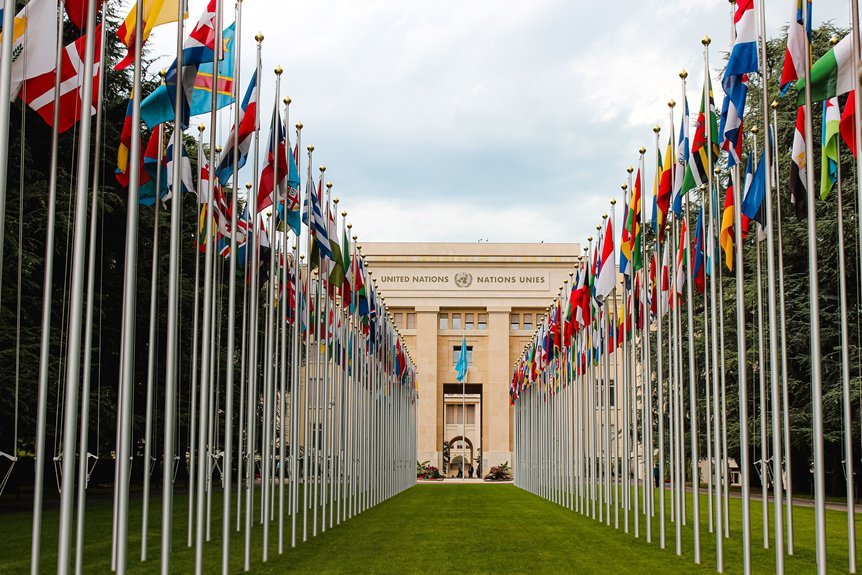
Foreign policy influences your daily life. It affects job security and the prices you pay for goods. Decisions made in distant capitals can ripple through your community. They impact employment rates and cultural understanding. As global dynamics shift, the stakes grow higher. Understanding these connections might change how you view current events and your role in them. What implications do these policies hold for your future?
How Foreign Policy Affects Your Life
Foreign policy shapes your daily life, influencing the economy and national security. Decisions regarding trade agreements, alliances, and military actions have far-reaching effects.
When diplomatic relations improve, it can lead to lower prices on imported goods. This makes everyday essentials more affordable. Tensions can result in increased prices and scarcity.
Foreign policy also impacts cultural exchanges and immigration. This enriches your community with diverse perspectives but can fuel debates about identity and belonging.
As global events unfold, your safety and lifestyle are often affected by these strategies. Understanding this connection helps you appreciate the significance of foreign policy in shaping the world around you.
Economic Impacts of Foreign Policy on Job Markets
The interplay between foreign policy and job markets is significant. International trade agreements and diplomatic relations directly influence employment opportunities.
When your government negotiates favorable trade deals, exports can rise. This leads to higher demand for local goods and services. Consequently, jobs are created in various sectors.
Strained relations or sanctions can stifle growth. This results in layoffs and reduced hiring.
Foreign investments often hinge on stable foreign policies. When companies feel secure, they’re more likely to invest and expand in your community. This generates jobs.
Understanding these connections helps you appreciate how decisions made far away can impact your local economy and shape your career prospects. Engage with these issues actively.
How Foreign Policy Affects National Security
Your government’s diplomatic strategies can either mitigate threats or escalate tensions. Forming alliances can enhance collective defense. Neglecting international relations may leave you vulnerable to adversaries.
Foreign policy decisions influence global perceptions. This impacts your nation’s standing and security. Poor choices can lead to isolation and invite aggression. Active engagement fosters stability and makes it harder for conflicts to arise.
Understanding how foreign policy directly affects national security shapes military readiness and the safety of citizens.
Foreign Policy and Cultural Exchange
Cultural exchange programs shape diplomatic relations and foster mutual understanding among nations. These initiatives allow you to experience diverse cultures firsthand. They break down stereotypes and build connections. Engaging with individuals from different backgrounds cultivates empathy and respect, which are important for peaceful coexistence.
These programs focus on shared values and highlight common goals despite cultural differences. They encourage collaboration in education, arts, and research. This enhances global cooperation.
As you participate, you enrich your worldview and contribute to a more interconnected society. Cultural exchange strengthens international relations and fosters a sense of belonging in a complex world.
Foreign Policy’s Role in Global Environmental Strategies
As nations confront urgent environmental challenges, foreign policy plays a key role in shaping global strategies for sustainability. By fostering international cooperation, countries can tackle issues like climate change, deforestation, and biodiversity loss more effectively.
Treaties and agreements, such as the Paris Accord, emerge from diplomatic negotiations. They highlight shared commitments.
Countries use their influence to encourage sustainable practices and technology transfer. This ensures equitable resource distribution. Foreign policy also creates frameworks for accountability. Nations can monitor and support one another’s environmental efforts.
Consider how your own country’s policies affect global environmental outcomes. Collective action can lead to meaningful change. Together, we can foster a healthier planet for future generations.
Media Influence on Foreign Policy Opinions
Media’s influence on foreign policy opinions is significant. You rely on news outlets, social media, and online platforms for information. This shapes your understanding of international events.
Media frames issues and highlights specific narratives that can sway public sentiment. For instance, a focus on humanitarian crises might evoke empathy and support for intervention. An emphasis on national security can foster a more defensive stance.
Algorithms personalize your news feed. They reinforce existing beliefs instead of challenging them.
As you consume this content, consider how these narratives simplify complex issues. This impacts your opinions and engagement with foreign policy.
Getting Involved in Foreign Policy: What You Can Do
Many people feel detached from foreign policy decisions. However, there are numerous ways to engage and influence outcomes.
First, educate yourself about global issues. Understanding the complexities helps you discuss them more effectively.
Attend town hall meetings or community forums where foreign policy is discussed. This allows you to voice your opinions.
Joining advocacy groups can also amplify your impact. Collective voices often resonate louder.
Social media platforms let you share information. You can connect with like-minded individuals, fostering a sense of community.
Contacting your elected representatives about foreign policy concerns can directly influence decision-making. Your involvement enriches your understanding and contributes to shaping a more informed and engaged society.
Future Challenges in Foreign Policy: Adapting to Change
Future foreign policy challenges require a proactive approach as global dynamics shift rapidly. Issues like climate change, cyber threats, and emerging multipolarity demand adaptive strategies.
Understanding these nuances is important. Countries are no longer the sole actors; non-state entities are gaining influence.
To engage effectively, prioritize collaboration and diplomacy. Foster alliances that can respond to crises.
Stay informed about international trends and technological advancements shaping global interactions. By embracing flexibility in policy-making, you can help address immediate concerns and anticipate future challenges.
Your informed voice can steer discussions toward unity and resilience.