What Is Foreign Affairs? A Plain-English Guide
How do foreign affairs impact your daily life and shape global dynamics? Discover the surprising connections in our plain-English guide.
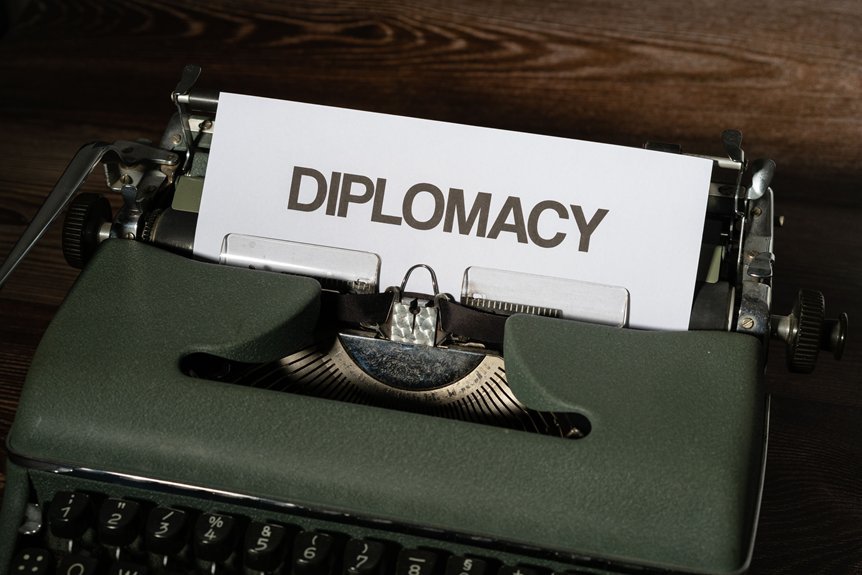
Over 70% of global trade depends on international agreements. Understanding foreign affairs is important, as these relationships shape everything from economic policies to security measures. The dynamics between countries influence daily life in ways you might not expect. Consider how these interactions affect not just nations, but you personally. Various players have roles in this intricate web.
What Are Foreign Affairs and Why Do They Matter?
Foreign affairs shape relationships and policies between countries. They influence national security, economic stability, and cultural exchanges. Understanding these dynamics helps prevent conflicts and fosters trade.
Diplomatic efforts also promote cooperation on global issues like climate change and health crises.
Foreign affairs affect international law and human rights, impacting lives beyond borders. Engaging with these topics provides insight into how your country interacts with the world.
This awareness enriches your perspective and underscores the interconnectedness of global communities.
The Impact of Foreign Affairs on Daily Life
Decisions made in foreign affairs can influence your everyday life. Trade agreements affect the prices you pay for goods, from electronics to groceries. When countries impose tariffs, you might notice increased costs at your local store.
Foreign relations impact security policies that shape your safety environment. Global issues like climate change require international cooperation, affecting your community’s approach to sustainability.
Cultural exchanges enrich your experiences, introducing you to diverse perspectives through food, art, and education. Foreign affairs weave into the fabric of your daily existence, shaping choices, opportunities, and interactions.
Key Players in Foreign Affairs and Their Roles
Various key players shape the direction and outcomes of foreign affairs. Governments, led by elected officials and diplomats, negotiate treaties. They create policies that reflect national interests.
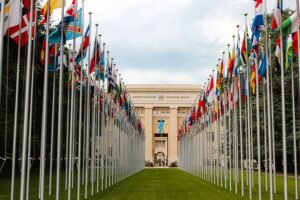
International organizations like the United Nations facilitate cooperation and dialogue among nations. They address global issues collectively.
Non-governmental organizations (NGOs) advocate for humanitarian causes. They influence policy through grassroots movements.
Corporations also play a significant role. Their global operations can affect economic relations and trade agreements.
Citizens, through public opinion and activism, hold governments accountable. They shape foreign policies.
Understanding these players and their interactions is important for grasping the dynamics of foreign affairs.
What Shapes Global Interactions?
Global interactions are shaped by various factors, including economic interests, cultural exchanges, and geopolitical dynamics. Nations engage based on trade relationships, seeking mutual benefits that enhance their economies.
Cultural exchanges foster understanding and cooperation. They allow societies to share values and traditions, which can reduce tensions.
Geopolitical dynamics, such as power shifts or conflicts, also influence how countries relate to each other.
Historical contexts influence current events. Nations don’t operate in isolation; their choices are interconnected.
Recognizing these factors helps in understanding the complexities of global affairs.
The Role of International Organizations in Foreign Affairs
International organizations provide a platform for dialogue and cooperation among nations. Entities like the United Nations and the World Trade Organization facilitate discussions on security, trade, and human rights.
They foster collaboration and help establish norms and agreements that guide state behavior. These organizations often mediate conflicts and offer frameworks for peaceful resolution.
They also serve as forums for sharing knowledge and best practices. This enhances global governance and addresses global challenges.
How Do Countries Exchange Goods and Services?
Countries exchange goods and services, creating a web of trade relationships. This drives economic growth and fosters interdependence.
Exchanges occur through bilateral agreements, trade blocs, and global supply chains. Countries specialize in what they produce best. This allows them to trade surplus goods for those they lack. Specialization enhances efficiency and boosts innovation.
International trade policies and tariffs impact these exchanges. They shape how countries interact.
How Do Countries Tackle Global Security Threats?
Countries employ a multifaceted approach to confront global security threats. They combine diplomacy, intelligence sharing, and military collaboration. Engaging in treaties and alliances enhances collective security.
Intelligence agencies work together to detect and prevent potential threats. This ensures timely responses. Nations invest in cybersecurity to protect critical infrastructure from emerging technological risks. Public awareness campaigns foster resilience against misinformation and radicalization.
Countries prioritize economic stability. Poverty and instability can fuel conflict. By building strong international partnerships and addressing root causes, nations create a more secure environment.
This collaborative effort protects individual states and promotes a sense of global community.
Staying Updated on Global Issues
Staying informed about global issues drives meaningful engagement and action. Enhance your understanding by following reliable news sources and reading analytical articles. Engage with expert opinions.
Social media platforms offer real-time updates, but verify information to avoid misinformation. Participating in discussions, whether online or in person, helps you grasp diverse perspectives and enriches your understanding of complex topics.
Subscribing to newsletters or podcasts dedicated to foreign affairs provides curated insights. By actively seeking knowledge, you contribute to informed conversations and foster a sense of community among those who share your interest in global affairs.
Opportunities to Engage With Foreign Affairs
Engaging with foreign affairs offers opportunities to deepen your understanding and influence global discussions. You can participate in forums, attend lectures, or join organizations focused on international relations.
These activities broaden your perspective and connect you with like-minded individuals who share your passion for global issues.
Volunteering or interning with NGOs provides hands-on experience. You can contribute to meaningful initiatives.
Utilizing social media platforms allows you to follow experts and engage in conversations that shape public opinion.
How Does Foreign Affairs Influence Global Cooperation?
Foreign affairs shape diplomatic relationships and guide nations toward goals like peace, trade, and environmental sustainability.
Countries that engage in dialogue and negotiation build trust. This trust allows for cooperative frameworks that address global challenges. Your awareness of these dynamics helps you appreciate how treaties and global summits emerge from foreign policy strategies.
Active participation in foreign affairs empowers you to advocate for collective action on pressing issues. Cooperation is beneficial and necessary for a stable and prosperous world. Embracing this perspective can deepen your connection to global citizenship.